Reconnecting through relationship
More than 80% of sustainability campaigns rely primarily on statistics. Facts are essential for countering misinformation and grounding climate conversations in evidence but facts alone rarely change how people feel about the living world.
Because while facts inform people, stories move them.
If we want people to care about nature, our campaigns may need to do more than explain environmental problems. They may need to bring the more-than-human world back into the story.
So instead of more campaigns about nature, what happens when we design ways to be with it?
This is what that looks like in practice.
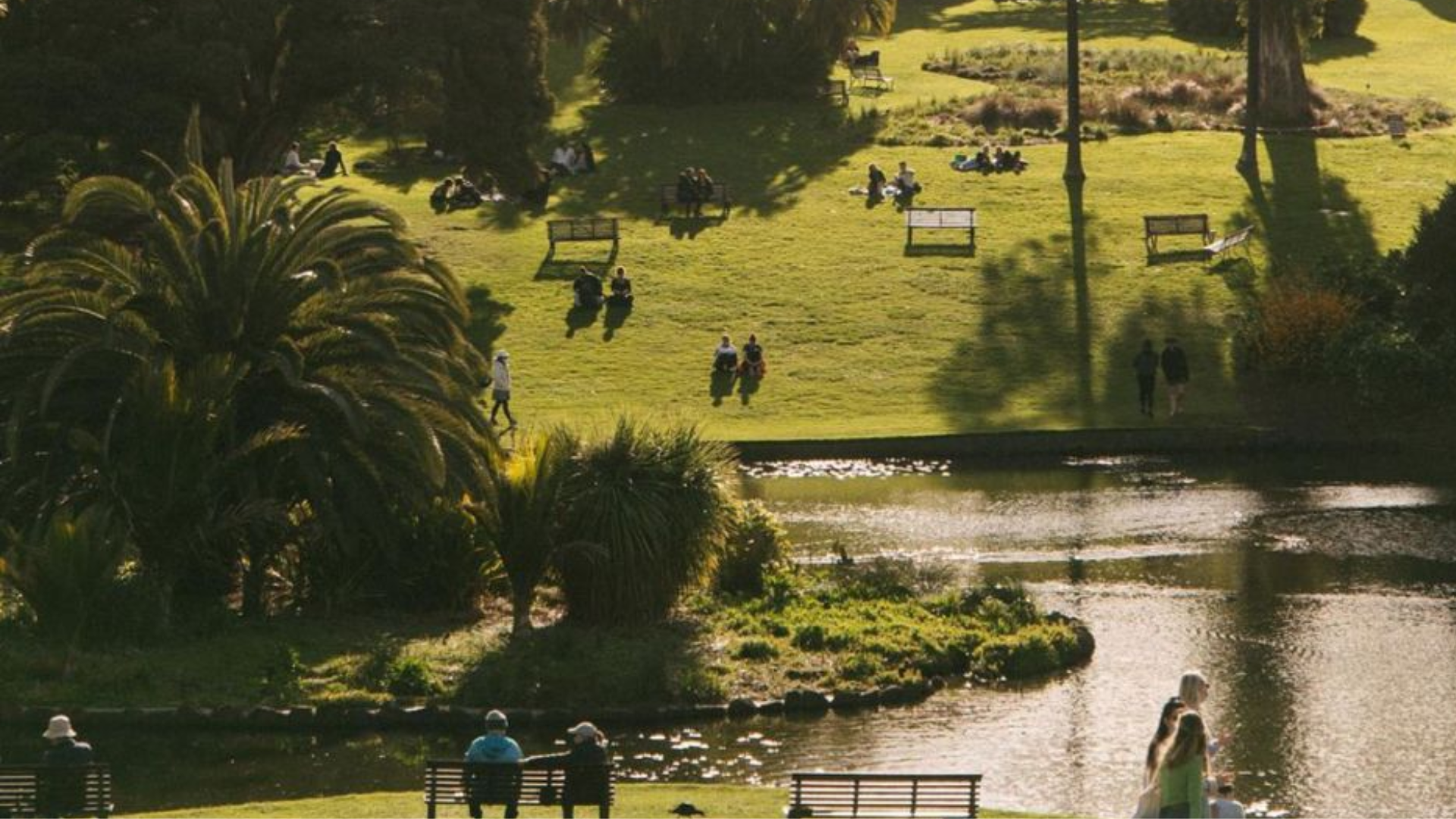
City of Melbourne, Treemail
The City of Melbourne assigned email addresses to thousands of trees so people could report issues. A rational system to better manage city infrastructure.
But people didn’t use it rationally - they wrote to the trees.
"To the tree on the corner of Park Road and Alexandria Avenue and that little street that goes up the side. I've always wondered about you ever since my slightly strange driving instructor who always smelled like cat food and peppermints told me that you were his favourite tree," wrote one Melburnian, to a tree.
What was meant to be maintenance became something else entirely: a channel for relationship.
And that shift happened when the trees became addressable. Because once something has an address, it stops feeling like an object and starts to feel like someone.
Not literally —but socially. And that’s enough. Because care doesn’t come from information. It comes from proximity.
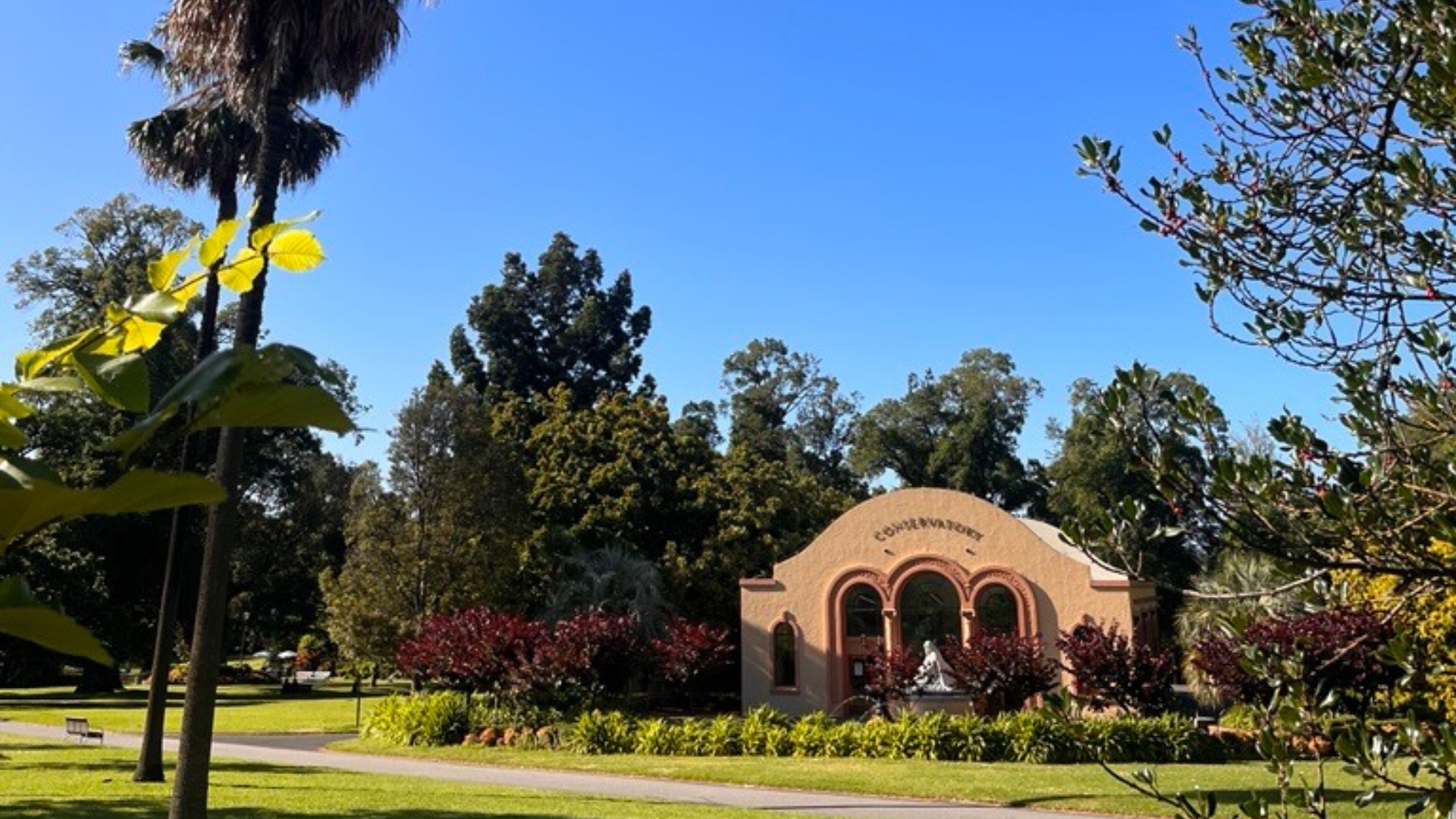
Built by Agency for Nature, The Talking Tree
If Melbourne made trees reachable, The Talking Tree makes them responsive.
Built by Agency for Nature, the project translates a tree’s bio-signals into language — enabling real-time conversation. A tree that answers back - sharing hundreds of years of their experience and expressing emotions and moods based on their environment, just like us humans.
The technology is complex — sensors, environmental data, AI — but the effect is simple. Through interaction, we can begin to build reciprocity with the living beings we share our home with.
The moment something talks back to us, our relationship changes. Not because we believe trees are human — but because we start behaving as if they matter.
A blueprint for connecting beyond campaigns
Across both of these campaigns:
Nature becomes addressable: You can email it, reach it and direct something toward it.
Nature becomes responsive: It answers back — functionally or experientially.
Nature enters our systems: Not “out there”, but inside the structures we already use.
And that last point matters most. Because we don’t form relationships in the abstract. We form them through systems. Email, chat to or interact with a tree, and it stops being background.
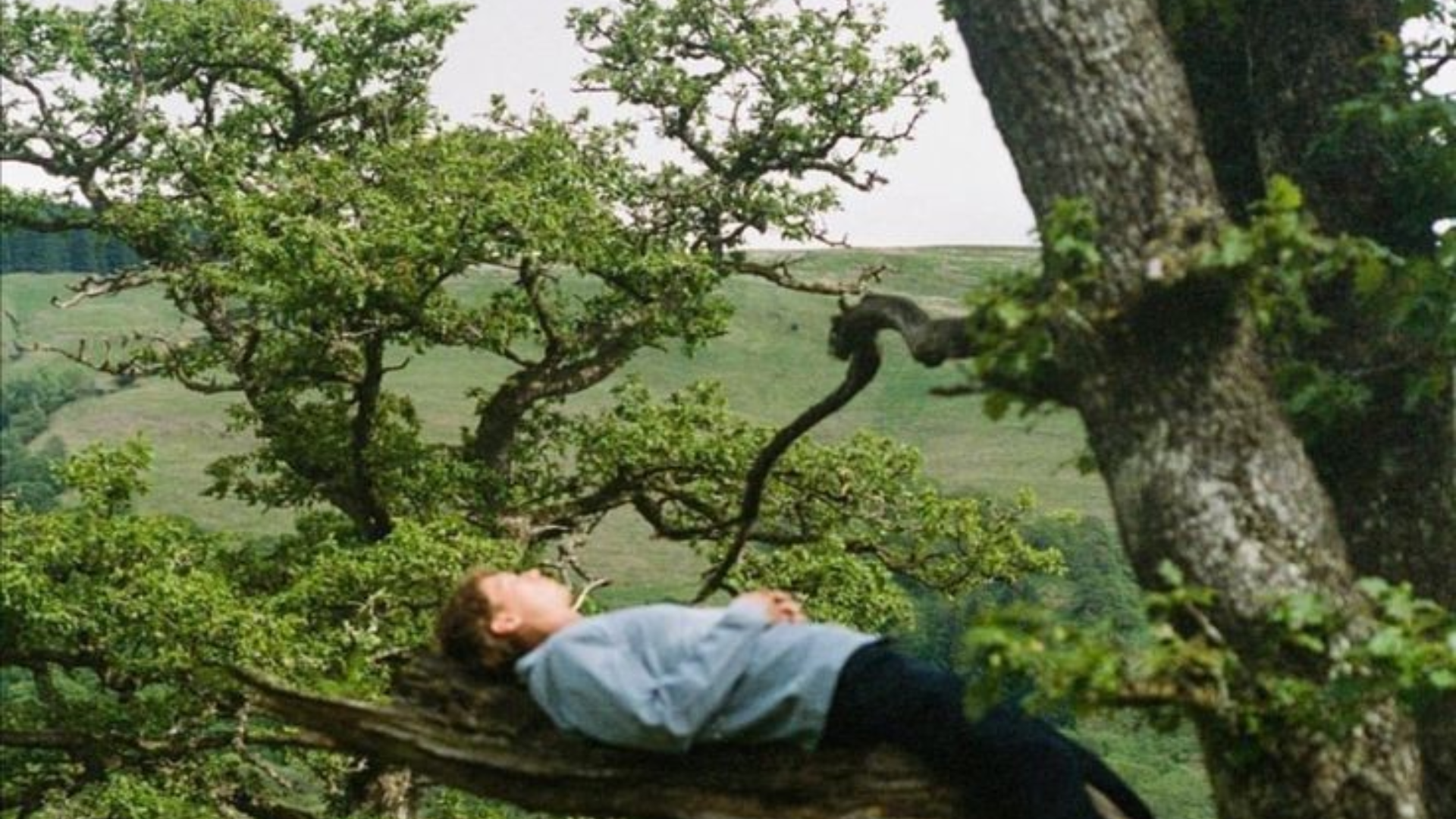
So, the question isn’t just how do we get people to care more? But what would make care inevitable? And these campaign examples point to an answer:
Give nature a role in our social systems
Give it ways to initiate and respond
Let people relate, not just observe
And - if we take this seriously, it goes beyond campaigns - into cities, products and platforms.
Because “natural neighbours” isn’t a metaphor. It’s a design brief that asks us to consider how to live alongside nature — socially, not just physically?
And once you see it that way, most sustainability work starts to feel incomplete.
Too much messaging. Not enough relationship.
