natural neighbours
a public art and behaviour-change campaign reconnecting city dwellers with nature
The insight
City life makes it easy for nature to become background. We run, cycle, walk and scroll past trees that have stood in our neighbourhoods for generations without really seeing them.
Environmental communications often ask us to protect nature before they've helped us build a relationship with it. I became interested in starting somewhere else: could communications create small experiences that turn nature from something out there into something we notice, know and feel connected to?
The idea
In many cultures, trees are understood as elders, ancestors or living beings possessing histories beyond our own.
Natural Neighbours draws on that relational worldview and makes it tangible through one small act: writing a letter to a tree.
Not a pledge. Not a fact about biodiversity. Not an instruction to care. A letter.
By addressing a tree as a neighbour — something that has witnessed the ordinary, joyful and difficult moments of life around it — an overlooked part of the landscape becomes someone familiar.
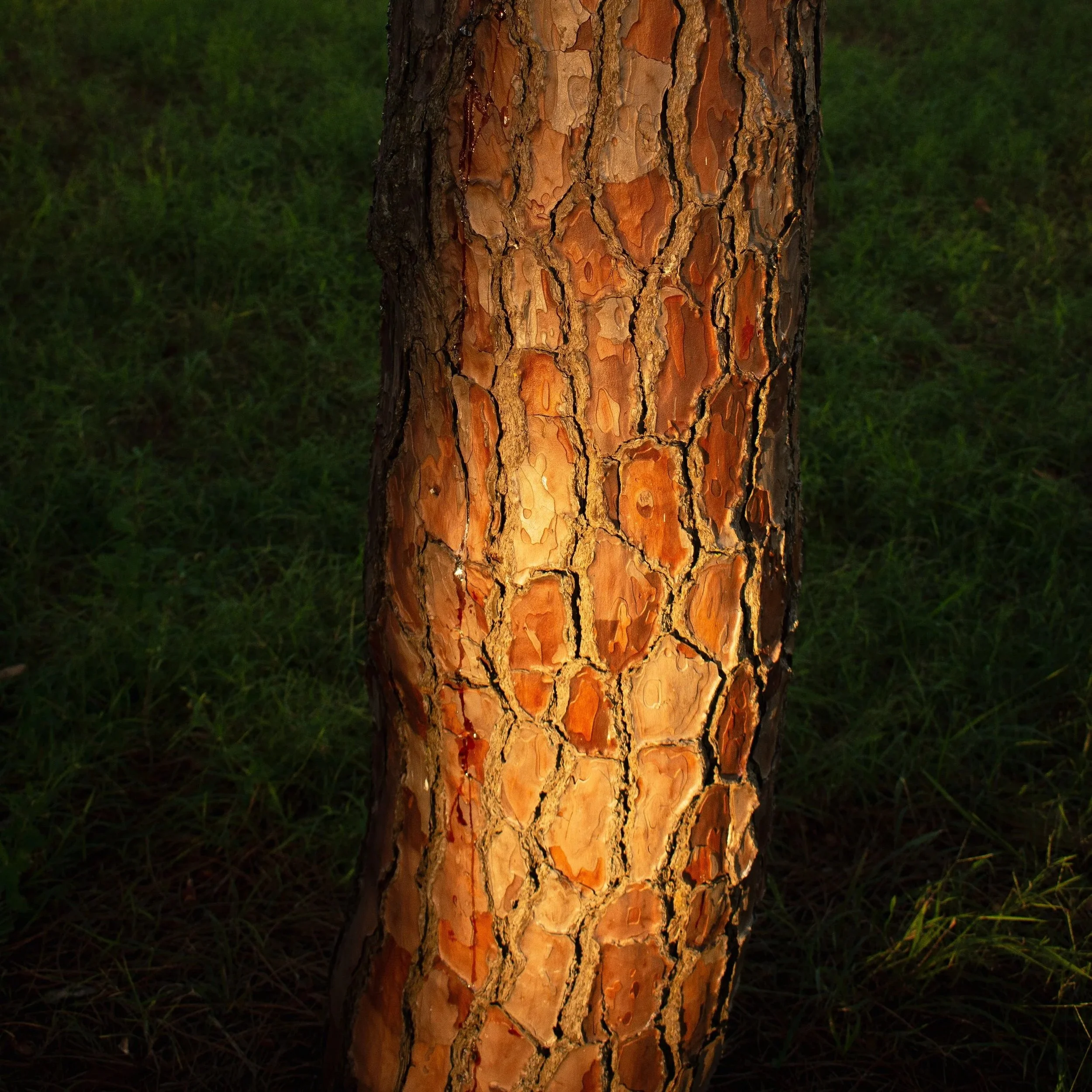
The activation
The experiment begins in Centennial Park, where millions of human visitors share space with thousands of trees.
Ahead of National Tree Day, runners, walkers, cyclists and other regular visitors are invited to choose their tree neighbour and write the first letters.
Creators introduce their own tree neighbours online around one simple question: Who's your tree?
On National Tree Day, those letters become a growing public exhibition.
Tree Neighbour Stations invite passers-by to add their own. Guided Trails introduce people to the stories of particular trees. Letters, photography and recorded voices allow the relationships created in the park to travel beyond it.
The campaign doesn't tell people to reconnect with nature.
It gives them something small they can do that makes connection possible.
The shift
I'd test whether participating changes how people describe and notice the trees around them:
Do people return to their tree?
Do they begin describing it relationally rather than as scenery?
Does the simple act of writing create greater curiosity about the wider ecosystem?
Do participants share the behaviour with other people?
The experiment asks whether relationship can become a precursor to stewardship.
The legacy
A letter is deliberately simple. That's what makes the idea capable of travelling.
A tree in Sydney. A river in London. A wetland in Melbourne. A street garden somewhere else.
Natural Neighbours explores whether environmental communications could spend less time telling people why nature matters and create more opportunities for people to experience what it feels like to belong to it.
Before we protect something, perhaps we have to notice that we're in relationship with it.
the insight
In cities, people are facing an epidemic of disconnect. Nature fades into the background as we walk, jog and scroll past it. Doing anything but looking up to see who else we share our home with.
the idea
In many ancient cultures, trees are seen as wise elders, possessing strength and wisdom beyond human comprehension. So what if we rewrote neighbourhood trees as just that - our neighbours. Living, breathing beings who stand next to us through life’s happy, mundane and heartbreaking moments.
Natural Neighbours invites people to write a letter to a tree. A small, human act that turns a tree overlooked into someone familiar.
the setting
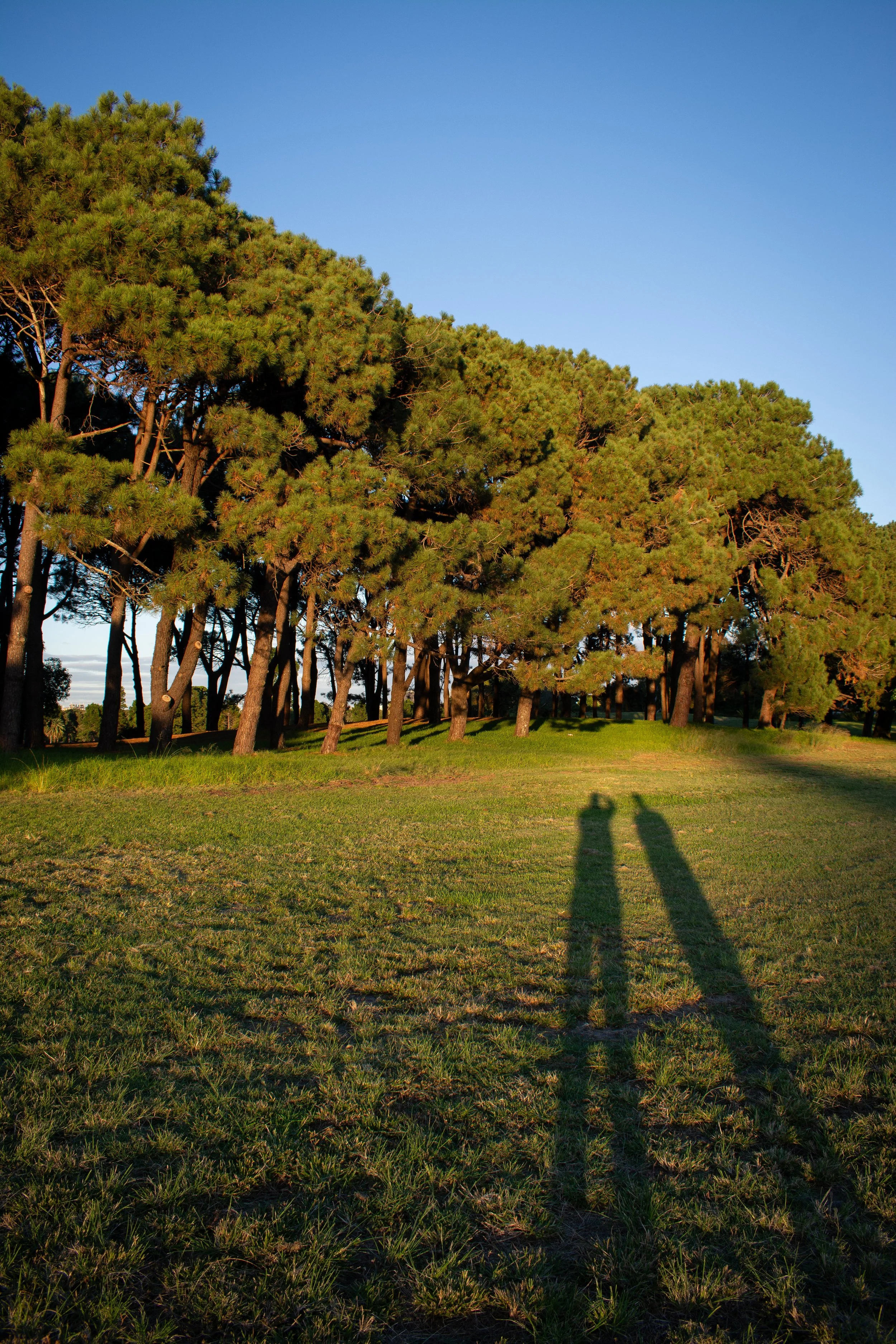
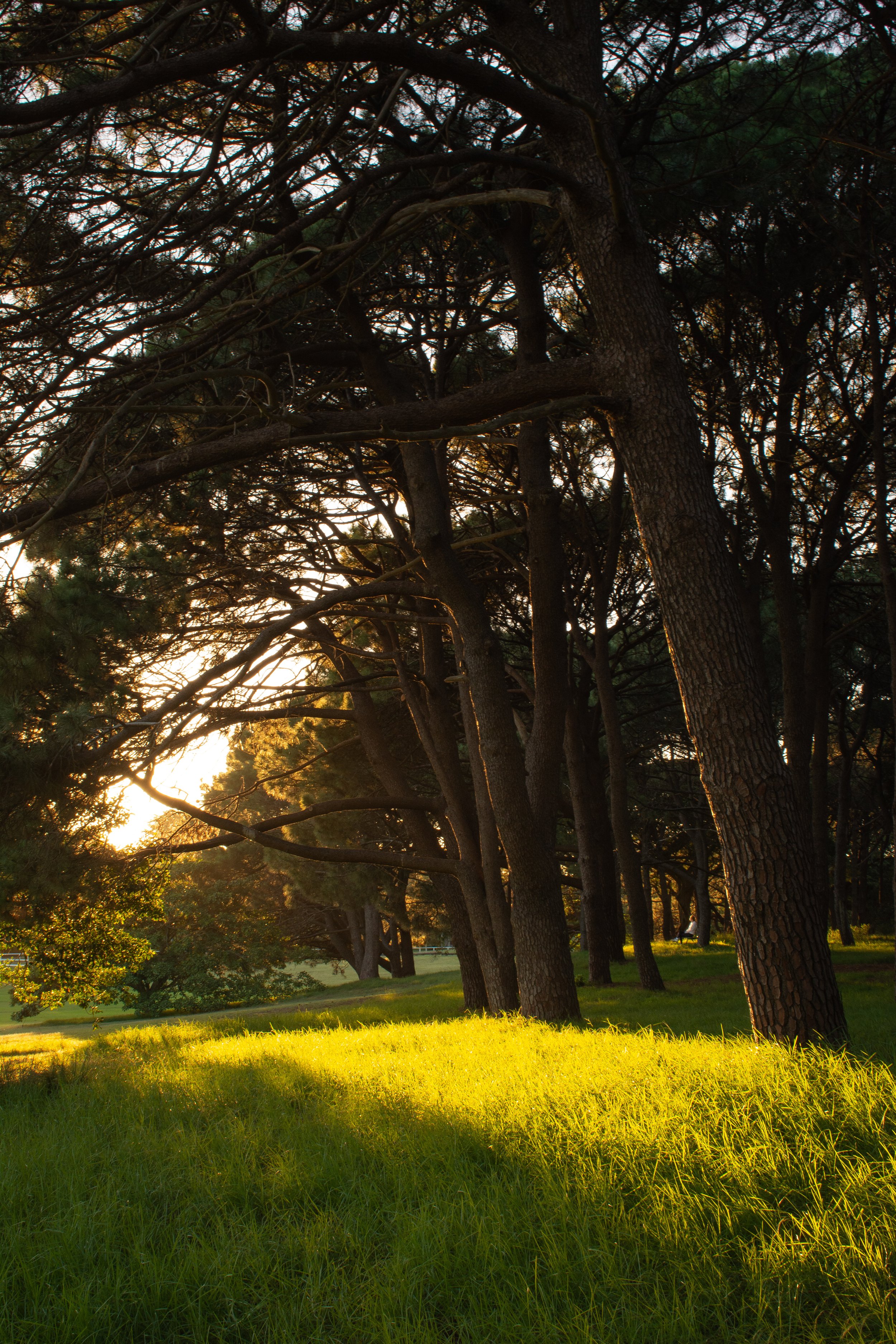
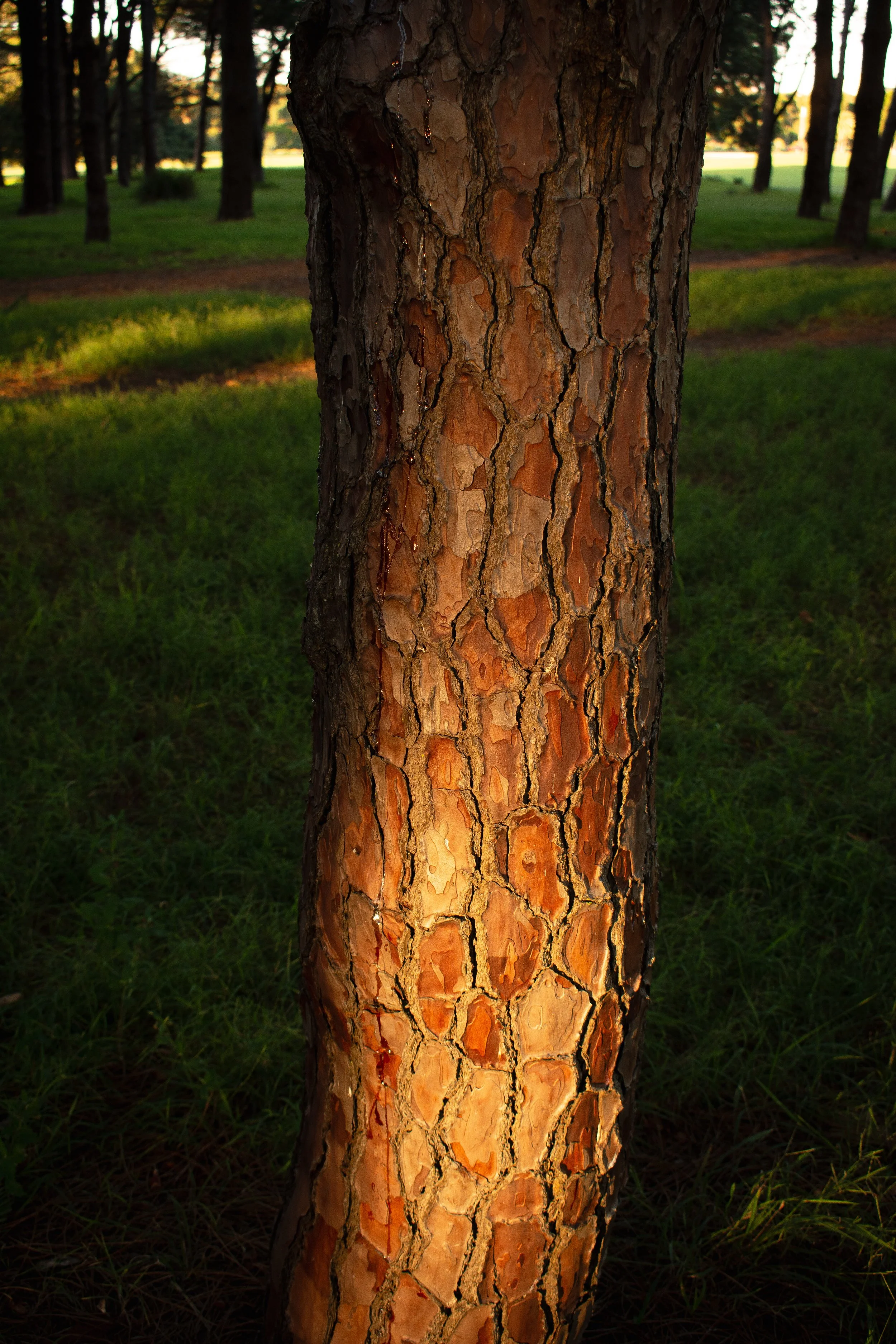
Centennial Park has over 30 million human visitors a year, 15,000 trees and is described as the ‘lungs’ of Sydney, Australia.
One of the world’s most iconic urban parks is the perfect place to start a global shift in how cities relate to nature.
the activation
In the lead up to National Tree Day, loyal parkland visitors - including run clubs, walkers and cyclists - will be invited to be the first contributors to a special Tree Neighbour Trail. New audiences will be reached via social media, through micro-influencers will introduce their “tree neighbours” and build curiosity around a simple question: Who’s your tree?
On National Tree Day, the park becomes a living, growing exhibition, beginning with letters from loyal visitors and expanding as passersby are turned into participants, through Tree Neighbour Stations and Guided Trails. Photography and videography capture real letters and voices, enabling the campaign to live on beyond National Tree Day.
the impact
Thousands of letters,
millions of moments of reflection.
A park full of strangers—
starting to feel like a neighbourhood.
the legacy
A simple behaviour, built to travel.
From Sydney to cities around the world,
Natural Neighbour creates a blueprint for reconnecting people with the nature they live alongside.